How to Spot and Avoid Crypto Scams
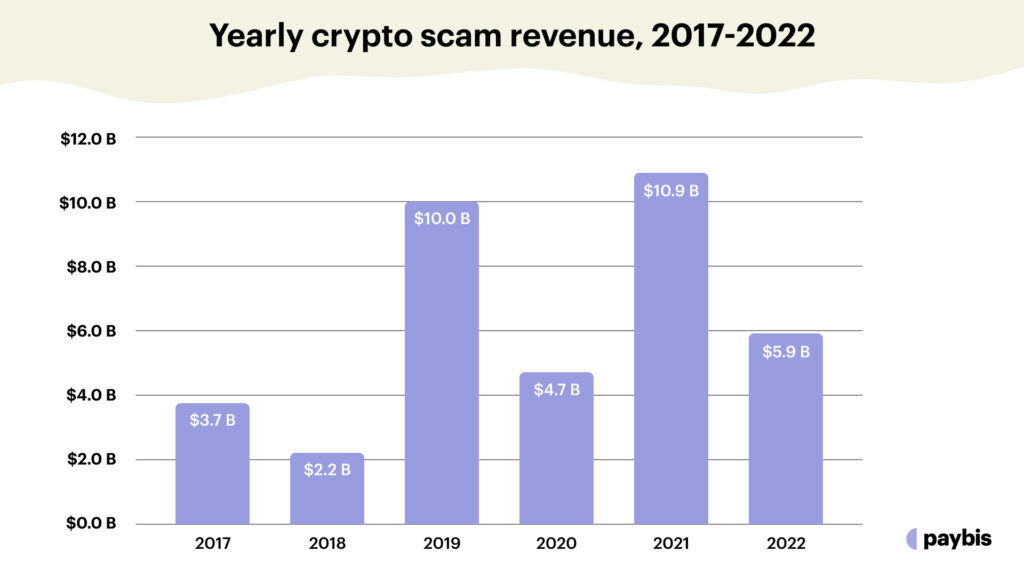
From 2017 to 2022, revenue from crypto scams adds up to $37.4 billion, according to Chainalysis’ Crypto Crime Report 2023.
Since Bitcoin’s emergence in 2009, we have come a long way in strengthening and regulating the cryptocurrency space. Yet, there is much more needed to be done to minimize scamming and exploitation of crypto users.
To be able to spot and avoid crypto scams is essential not only for individual financial security but also for the broader health and development of the cryptocurrency ecosystem. It’s about protecting personal assets, maintaining faith in a new financial system, and ensuring the integrity and longevity of a disruptive technology.
This article will put you on the right track on how to spot and avoid crypto scams in 2024 and beyond. Scammers are getting creative, it is time we get more vigilant.
Table of contents
- What is a Crypto Scam?
- Scam vs Exploit vs Hack
- 6 Types of Crypto Scams (with Case Studies)
- Useful links
- The Rise of AI-Powered Deepfake Scams
- AI Chatbots Are Industrializing Long-Term Scams
- Best Practices to Avoid Crypto Scams
- How to Spot Legitimate Platforms and Avoid Scam Platforms
- Where to Report a Crypto Scam?
- Final Thoughts
What is a Crypto Scam?
A crypto scam refers to fraudulent activities involving cryptocurrencies. These scams typically involve deceiving individuals or organizations into sending digital assets or funds with the promise of high returns, or through false pretenses.
These scams often promise high returns, use fake endorsements, or create phony ICOs (Initial Coin Offerings).
The decentralized and semi-anonymous nature of cryptocurrencies makes them appealing for such fraudulent activities. Being aware and cautious is essential to avoid falling victim to these scams.
A crypto scam is not the same as a crypto exploit or hack.
Scam vs Exploit vs Hack
A crypto scam involves deception and manipulation to fraudulently acquire assets from victims. Scammers use tactics like false promises, Ponzi schemes, or phishing to trick individuals into voluntarily sending them cryptocurrency or revealing sensitive information. These scams rely heavily on social engineering and prey on the victim’s trust or lack of knowledge.
Crypto exploits occur when someone takes advantage of vulnerabilities in blockchain or smart contract code. Exploits are sophisticated in nature, requiring deep technical knowledge of the systems being targeted. Unlike scams, exploits don’t necessarily involve direct interaction with victims but rather misuse the inherent technical weaknesses of a platform.
Crypto hacks refer to unauthorized intrusions into crypto exchanges, wallets, or platforms. Hackers might breach security systems to steal cryptocurrencies, often involving sophisticated cyber-attack strategies.
While all three are illegal and unethical, scams focus on deceiving people, whereas exploits and hacks target the technical infrastructure of crypto platforms.
Familiarizing yourself with the different types of cryptocurrency scams is a crucial first step in spotting and avoiding them.
6 Types of Crypto Scams (with Case Studies)
Address Poisoning Attacks
Address poisoning is a type of scam where fraudsters manipulate cryptocurrency transactions. They monitor transactions and create a wallet with an address similar to one you use, hoping you’ll mistakenly use their address for a transaction. This scam relies on the complexity of wallet addresses and the likelihood of human error.
While this tactic is termed an “attack” it is more of a scam and operates in the grey zone of the law. This is because, the scammers have technically not done anything illegal as per the books — it is acceptable to send cryptocurrency from one wallet to another in most jurisdictions where crypto is legal.
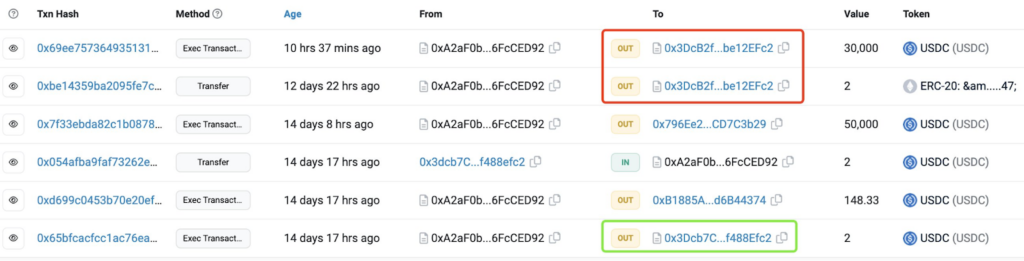
Case Study
In a span of 4 months, one address poisoning attack scammer stole about $5 million worth of cryptocurrencies from 21 victims!
The same attacker drained 10 wallets of about $2.05 million in just the first week of December 2023. All these attacks, interestingly, targeted Safe wallet users.
One Safe wallet user had $10 million worth of cryptocurrencies, of which about $400,000 was lost to the scam!
Token Duplication Scam
A token duplication scam in the cryptocurrency world involves creating a fake version of a legitimate token and listing it on decentralized exchanges or over-the-counter trading platforms.
The decentralized nature of the blockchain allows anyone to create a token with any ticker of their choosing. Scammers duplicate the name and symbol of a popular token, misleading investors into buying these worthless replicas instead of the authentic token. These scams exploit the open nature of decentralized platforms, where anyone can list tokens. Investors should always verify token contract addresses and rely on reputable sources for information to avoid falling victim to such scams.
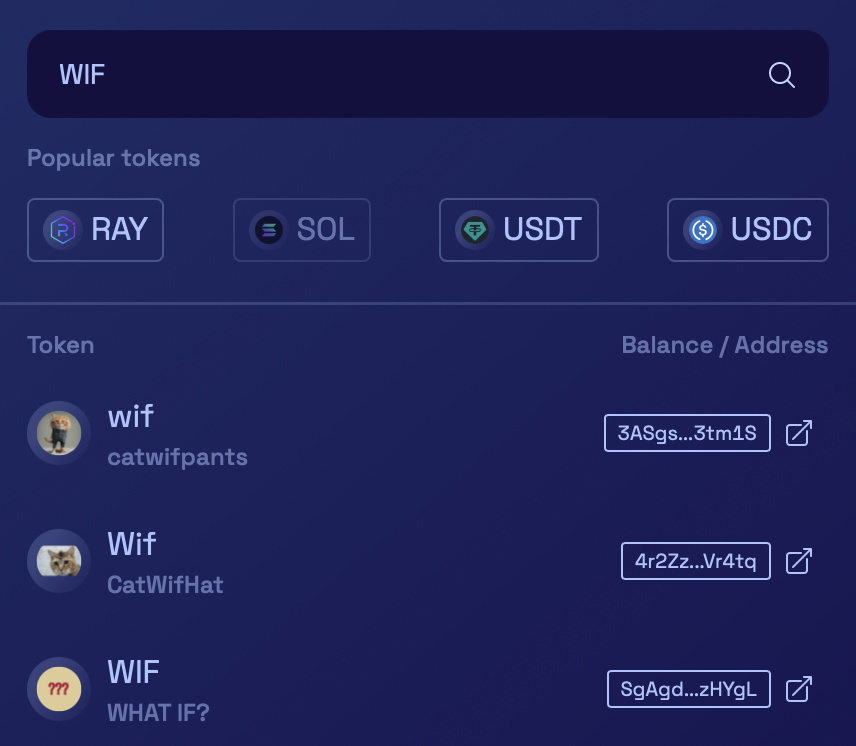
Case Study
A notable token duplication scam involved scammers creating a fake BNB token named “RonWeasleyTrumpZelda666Inu” but using the BNB symbol. This fake token, with a significantly low daily trading volume and holder count, was designed to mislead investors by mimicking the popular BNB token.
Giveaway Scam
Giveaway scams are a particularly insidious type of crypto fraud where scammers promise to multiply the cryptocurrency sent to them, usually under the guise of a promotion or giveaway.
Scammers do this in many ways. They may portray as a celebrity or a trust-worthy organization and trick you into depositing with the promise of instantaneous higher returns. Another common tactic is to get you to connect your crypto wallet to a malicious website, citing reasons like verification and authentication, only to drain all your funds.
Case Study
In 2021, a man lost over $400,000 worth of Bitcoin by falling prey to a giveaway scam that impersonated the famous tech billionaire Elon Musk. The giveaway scam promised to double any amount that was sent to a Bitcoin address. In a whim, Sebastian, the victim, sent 10 BTC but never received the promised reward.
“I threw my head onto the sofa cushions and my heart was beating so hard. I thought I’d just thrown away the gamechanger for my family, my early retirement fund and all the upcoming holidays with my kids,” said Sebastian.

Impersonation Scam
Impersonation scam is a form of fraud where scammers disguise themselves as authoritative figures or experts. This approach is insidiously effective as it plays on the trust and respect people have for authority.
These scammers typically pretend to be government officials, tech support agents, or representatives from well-known organizations. They create a scenario of urgency or trouble, convincing the victim that they need to send cryptocurrency to resolve an issue, avoid legal consequences, or secure their accounts.
For instance, you might be approached by someone claiming to represent Paybis and attempt to trick you into send them cryptocurrency. Note that Paybis will never ask you for your wallet seed phrase, any password or cryptocurrency. If you encounter an impersonator, please block them and report to us via email.
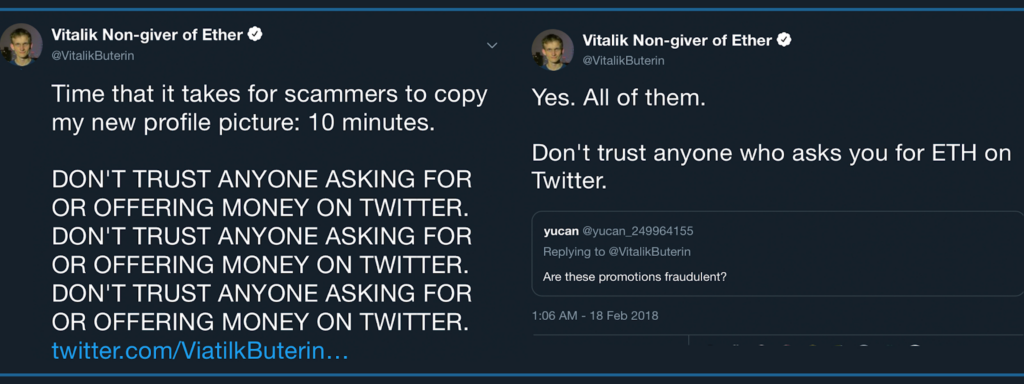
Case Study
On July 15, 2020, a major security breach occurred on Twitter. The accounts of prominent figures, including former U.S. President Barack Obama, Democratic presidential candidate Joe Biden, and billionaires Elon Musk and Bill Gates, were compromised.
The attackers tweeted a Bitcoin scam from these accounts, promising to double any Bitcoin sent to a specified address. The scam quickly collected over $100,000 in Bitcoin.
This incident highlighted the risks of cryptocurrency scams, especially involving impersonation, and raised serious concerns about social media security.
Romance Scam
A romance scam (a.k.a. pig butchering scam) in the cryptocurrency world involves a scammer forming a fake romantic relationship with the victim. The scammer gains the victim’s trust and affection, then exploits this emotional connection to solicit cryptocurrency.
According to the FTC, romance scam reports amounted to over $1.3 billion in 2022, of which 34% were attributed to cryptocurrency.
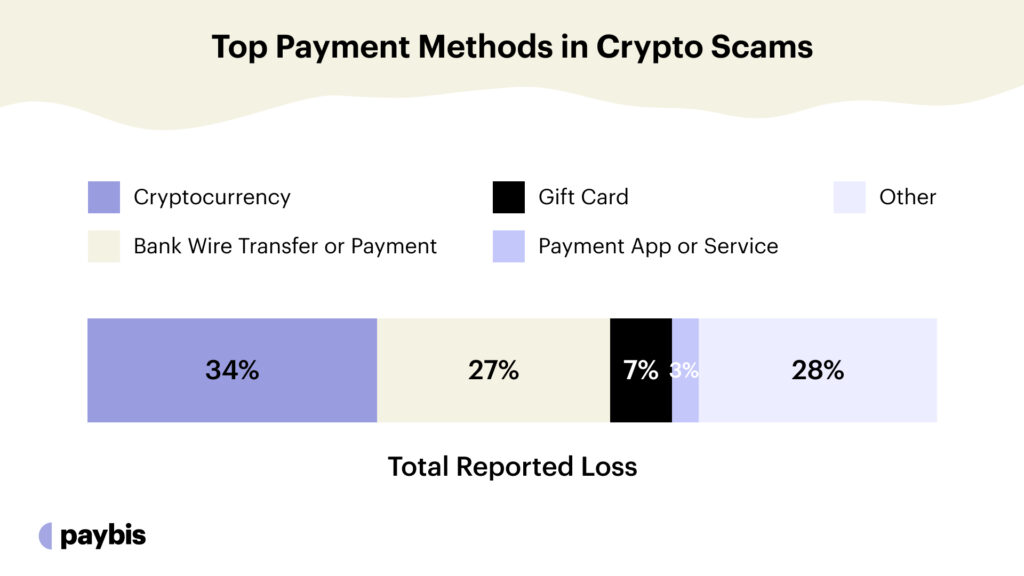
Typically, the scammer creates a fake online persona and engages in prolonged courtship to build trust. Once a significant emotional bond is established, they concoct a story requiring urgent financial assistance, often framed as a personal crisis, business opportunity, or a need to visit the victim. The scammer persuades the victim to send cryptocurrency, promising repayment or citing it as proof of affection.
For example, someone you meet online, who seems genuinely interested in you, might one day claim to be in a financial bind. They might ask for your help in the form of a cryptocurrency transfer, assuring you it’s a temporary situation.
Case Study
In 2022, a woman was defrauded of $80,000 in a romance scam on Facebook. The scammer, posing as a US soldier serving in Raqqa, Syria and named Murphy Townsend, connected with the woman on Facebook.
When the two got closer, the scammer began asking for money claiming it was for hospital bills and plane tickets. He did not divulge any more useful details or justification.
The relationship lasted about 2.5 years. The victim found out it was a scam when she contacted the US Army to enquire about a Murphy Townsend only to find out there was nobody by that name on their rolls.
Rug Pull Scam
A rug pull scam is one of the oldest in the book. In this type of fraud, developers create a legitimate-looking project or cryptocurrency, gather investments, and then withdraw all funds, abandoning the project. This leaves investors with worthless tokens.
Rug pulls are common in decentralized finance (DeFi) platforms, where developers can launch tokens with little oversight. Investors are attracted by the promise of high returns, but once a significant amount of money is invested, the creators withdraw the funds and disappear.
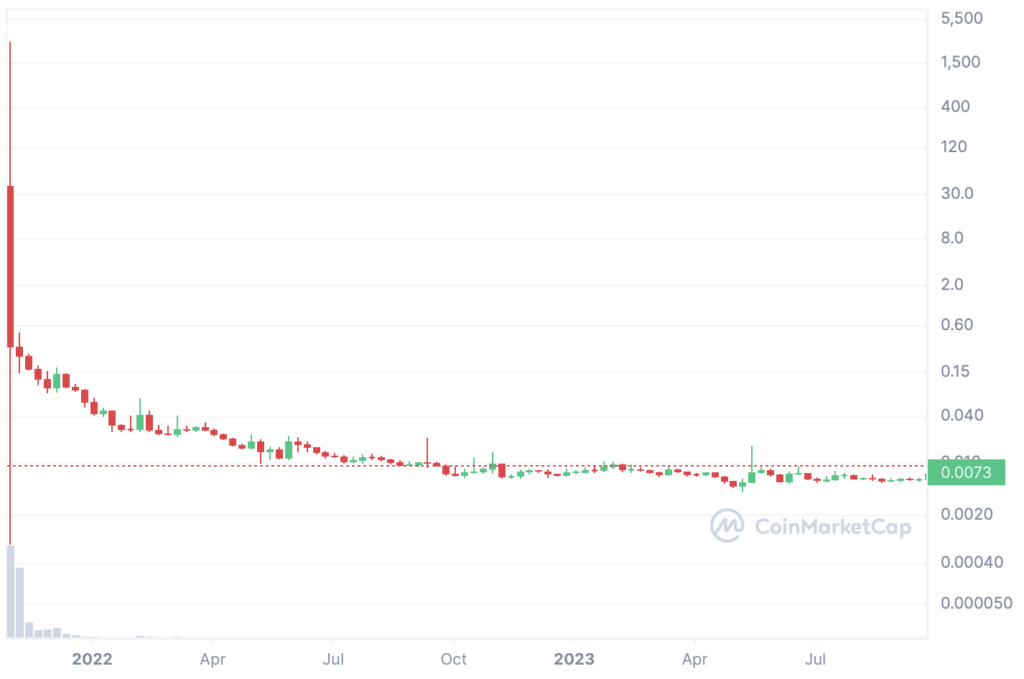
Case Study
The Squid Game token scam capitalized on the popularity of memecoins like Dogecoin, exploiting investors’ desire to find the next big opportunity. Mimicking the success of Dogecoin, SQUID, named after the hit Netflix series “Squid Game,” seemed an attractive investment.
However, it turned out to be a rug pull. The token’s value surged dramatically before the creators abruptly withdrew the funds and disappeared, leaving the token worthless. The token’s value skyrocketed to $2,856 and then crashed to less than a cent as the developers vanished with an estimated $3.3 million.
Useful links
The Rise of AI-Powered Deepfake Scams
Crypto scams reached $14 billion in 2025, with AI-powered fraud accounting for nearly 40% of high-value losses according to Chainalysis. The average payment sent to scammers jumped 253% year-over-year, from $782 in 2024 to $2,764 in 2025. This dramatic increase reflects a new level of sophistication driven by artificial intelligence.
Scammers now use deepfake technology to create realistic videos and voice recordings of prominent figures like Elon Musk, Vitalik Buterin, or exchange executives promoting fake giveaways. These videos appear on YouTube, X (formerly Twitter), and Telegram with production quality that rivals legitimate content. The classic format promises to double your crypto if you send funds first. In early 2026, a single deepfake Elon Musk livestream collected over $5 million in just 20 minutes before disappearing.
Voice cloning has become equally dangerous. Scammers can now replicate anyone’s voice using just a few seconds of audio from social media posts or public appearances. They’ve used this technology to impersonate executives during video calls, tricking employees into authorizing large cryptocurrency transfers. In one notable case, a finance employee at a British firm transferred $25 million after a video call with what appeared to be the company’s CFO and senior colleagues. All of them were AI-generated deepfakes.
The technology has become so convincing that traditional verification methods no longer work reliably. Asking for a video call or selfie doesn’t guarantee authenticity when AI can generate realistic faces and voices in real time. While understanding scams is important, you should also know can crypto wallets be hacked to protect yourself from technical vulnerabilities beyond just social engineering attacks.
Red flags for deepfake scams include:
- Limited-time offers that create artificial urgency (“only 100 spots left,” “ends in 2 hours”)
- Requests to send crypto first before receiving anything in return
- Unofficial social media accounts or unverified profiles promoting giveaways
- Reluctance to move conversations to verified official company channels
- Video or audio quality that seems slightly off or unnatural upon close inspection
Legitimate giveaways never require upfront payment, and real executives won’t conduct urgent financial transactions through unexpected video calls without proper verification procedures.
AI Chatbots Are Industrializing Long-Term Scams
Pig butchering scams traditionally required large teams of workers maintaining manual conversations with victims over weeks or months. Criminal operations in Southeast Asia employed hundreds of people (often trafficking victims themselves) working 14-hour shifts to build romantic or professional relationships before introducing fake investment platforms. AI has transformed this labor-intensive model into an automated, scalable operation.
Scammers now deploy large language model chatbots that can maintain convincing relationships with thousands of victims simultaneously. These AI systems offer capabilities that manual operations never could:
- Personalize messages based on victim’s profile, interests, and conversation history
- Adapt emotional tone to match each target’s communication style
- Improvise natural responses that feel genuine and human
- Maintain consistent backstories across months of daily conversations
- Scale to thousands of simultaneous targets with zero additional labor cost
In one case documented by cybersecurity firm Sophos, a victim received a message that accidentally revealed it was generated by ChatGPT, but such slip-ups are becoming rare as scammers refine their automation.
The industrialization goes beyond just chatbots. Scammers have overcome language barriers that previously limited their targeting. Early pig butchering operations primarily targeted ethnic Chinese victims because operators spoke Mandarin or Cantonese. AI translation and multilingual chatbots now allow criminals to run simultaneous campaigns in English, Spanish, French, German, and dozens of other languages with perfect fluency and cultural awareness.
Platform hopping has become a standard tactic. Scams typically begin with a “wrong number” text message on SMS or WhatsApp, move to private messaging apps like Telegram, then transition to fake trading platforms or investment sites. This fragmentation makes it difficult for victims and law enforcement to reconstruct the full scam journey, and each platform change tests the victim’s willingness to follow instructions without questioning the legitimacy.
Understanding how to distinguish between legitimate and fraudulent platforms is crucial for protecting your investments and personal information. Using trusted platforms to buy crypto helps ensure your transactions are secure and compliant.
The scale of these operations is staggering. Chainalysis data shows pig butchering scams extracted over $75 billion globally since 2020. Average losses per victim have increased dramatically because AI allows scammers to invest more time building trust before making the ask. Where traditional scammers might rush to close the deal within days, AI-powered operations can nurture relationships for months, resulting in victims sending increasingly larger amounts as trust deepens.
Best Practices to Avoid Crypto Scams
New scams surface regularly. Stay informed by following crypto news platforms and participating in crypto communities. The Paybis blog is a part of our effort to hold your hand through the treacherous path of crypto scams and emerge a hero on the other side.
Educate Yourself About Cryptocurrencies and Blockchain
Knowledge is power. Understanding how cryptocurrencies and blockchain technology work is your first line of defense. Familiarize yourself with the basics of blockchain, different types of cryptocurrencies, and how legitimate crypto transactions are conducted.
That way, next time someone tries to scam you into revealing your seed phrase or sending cryptocurrency, your alarms go off!
Verify the Legitimacy of the Project
Before investing in any crypto project:
- Do Your Research: Look into the project’s whitepaper, development team, and road map.
- Check Authenticity: Ensure the project website is secure (look for ‘https’ and a padlock symbol in the URL).
- Seek Community Feedback: Explore forums like Reddit, and Twitter to gauge the community’s opinion.
Be Skeptical of Unrealistic Promises
If a project promises high returns with little or no risk, it’s a red flag. In the crypto world, high rewards often come with high risks. Be wary of schemes that guarantee consistent profits regardless of market conditions.
Remember, if it is too good to be true, it probably is.
Use Reputable Crypto Exchanges and Wallets
Always use well-known and reputable exchanges for your transactions. When it comes to storing your cryptocurrencies, opt for secure wallets – consider hardware wallets for higher security.
Paybis is a trustworthy place. The platform has an ‘Excellent’ rating on Trustpilot and the Paybis Wallet allows users to store cryptocurrencies in a publicly verifiable manner.
Regularly Update Your Software and Apps
Keep your antivirus and anti-malware software up to date. Regular updates can help protect your digital assets from hackers and malware.
Also update your apps regularly, particularly wallet apps, as they periodically introduce security patches. These can help in sealing off any vulnerabilities or backdoor entries.
Be Cautious with Social Media Offers
Scammers often use social media to promote fraudulent schemes. Be wary of unsolicited offers and too-good-to-be-true opportunities, especially from unofficial or unverified accounts.
Even if the account is verified, you must be sure that it is not compromised. Remember, even the US President’s Twitter account was hacked to scam users into sending BTC.
Use Two-Factor Authentication (2FA)
Always enable 2FA on your crypto accounts. If your password gets compromised, 2FA acts as a second barrier, preventing unauthorized access.
Phishing attempts, where scammers trick you into revealing your credentials, can be thwarted by 2FA, as the attacker would also need the second factor to gain access.
How to Spot Legitimate Platforms and Avoid Scam Platforms
Understanding how to distinguish between legitimate and fraudulent platforms is crucial for protecting your investments and personal information.
Below are key factors to consider.
Proof of Reserves
Legitimate cryptocurrency platforms often provide proof of reserves. This means they publicly verify that they hold enough assets (cryptocurrencies and fiat money) to cover all customer balances. This transparency is a strong indicator of a platform’s financial health and integrity.
- Audit Reports: Look for platforms that undergo regular, independent audits by reputable firms. These audits should verify the existence and adequacy of the platform’s reserves.
- Transparency: Platforms that openly share their financial status, including reserve holdings and liabilities, are generally more trustworthy.
This tool by Nansen can help you dive deeper into the reserves of several exchanges.
Reputation
The reputation of a platform in the crypto community is a significant indicator of its legitimacy.
- User Reviews: Check forums, social media, and review websites for feedback from other users. While no platform is free from criticism, consistent negative reviews can be a red flag.
- History of the Platform: A platform with a long, stable history is usually more reliable than a new, untested one. Be wary of platforms that have been involved in scandals or regulatory issues.
For instance, you know that Paybis is a legitimate platform to buy and sell crypto because of the impressive community rating and reviews on platforms like Trustpilot.
Licenses & Registrations
Legitimate platforms often have licenses and registrations with relevant regulatory authorities.
- Regulatory Compliance: A platform that adheres to regulatory standards is more likely to be legitimate. Look for information about their compliance with laws and regulations, particularly in the jurisdictions they operate in.
- Licensing Information: Check their website for licensing information. This can often be found in the footer, home page or in an “About Us” section.
You can see that Paybis is registered with multiple notable entities including FINCEN (USA) and FINTRAC (Canada).
Educational Content Publication
Platforms that are committed to the safety and education of their users often provide resources to help them spot and avoid crypto scams.
- Educational Resources: Look for articles, guides, or webinars on how to identify and avoid scams. This indicates that the platform cares about its users’ security and is taking steps to educate them.
- Active Communication: Platforms that actively alert their users about ongoing scams and provide regular security tips are often more trustworthy.
The fact that you are reading this on Paybis blog is a testament to our commitment in educating you on spotting and avoiding crypto scams.
Where to Report a Crypto Scam?
Navigating the aftermath of a crypto scam can be daunting, especially considering the decentralized nature of most cryptocurrencies. While the structure of blockchain technology can sometimes make it challenging to recoup losses, there are steps you can take to report a scam.
Understanding the Limitations
Unlike traditional banking, where fraudulent transactions can sometimes be reversed, cryptocurrencies operate on a decentralized network. This means there’s no central authority to reverse transactions.
In rare cases, like The DAO hack, the broader community might agree on a reset or a fork in the blockchain to recoup losses. However, such actions are controversial and depend heavily on the scale of the impact.
Reporting a Crypto Scam
Even if the funds seem irretrievable, reporting the scam is crucial. It helps authorities track scam patterns and may prevent others from falling victim.
- Contact Crypto Exchanges: If you transferred funds through a crypto exchange, contact them immediately. They might not be able to retrieve the funds but can take steps to prevent further fraudulent activity.
- File a Report with Law Enforcement: Report the scam to your local law enforcement. Provide them with all relevant information, including transaction details and any communication with the scammers.
- Online Reporting Portals: Use online platforms like the FBI’s Internet Crime Complaint Center (IC3) or other similar portals in your country.
- Cybercrime Units: Some countries have dedicated cybercrime units within their police force. Reporting to them can be particularly effective for online scams.
- Cryptocurrency Forums and Communities: Alerting the community through forums like Reddit, Bitcointalk, or Crypto Twitter can help warn others and sometimes garner community support for recovery efforts.
- Legal Action: In some cases, legal action might be an option. Consult with a lawyer who specializes in cryptocurrency to explore this route.
Watch Out for Secondary Scams Targeting Victims
If you’ve already lost money to a crypto scam, you’re now a prime target for recovery scams. These secondary frauds specifically target people who’ve been victimized, exploiting their desperation to recover losses. Scammers monitor blockchain transactions, identify victims who’ve sent funds to known scam addresses, then contact them claiming they can help retrieve the stolen cryptocurrency.
The pitch typically involves someone posing as a blockchain investigator, law enforcement officer, or recovery specialist. Common tactics include:
- Claiming they’ve tracked your stolen funds and can recover them for an upfront fee
- Requesting “advanced payment” for legal services before they’ll begin work
- Demanding taxes or compliance fees that must be paid before funds can be released
- Creating fake law enforcement websites with official-looking badges and case numbers
- Sending fabricated blockchain analysis reports showing your funds are “frozen” and recoverable
Some recovery scammers create fake law enforcement websites and documents to appear legitimate. In 2026, Chainalysis documented cases where pig butchering victims paid over $100,000 to fake lawyers claiming to specialize in crypto recovery.
Legitimate blockchain forensics firms exist, but they work with law enforcement after you file an official police report. They don’t contact victims directly through unsolicited messages, and they don’t require upfront payments before investigating. When choosing where to trade, researching the safest crypto exchanges based on their security features and hack history helps you avoid platforms that might expose you to fraud or theft.
If you’ve been scammed and need to liquidate your crypto holdings quickly, knowing how to safely withdraw USDT to your bank account through legitimate platforms can help you recover what remains.
The reality is harsh but important to understand: blockchain transactions are irreversible by design. Once you send cryptocurrency to a scammer, recovering those funds is extremely difficult and often impossible. Some exchanges can freeze funds if contacted quickly enough, and law enforcement has recovered crypto in high-profile cases, but these are exceptions. The best protection is prevention. If someone contacts you offering to recover your lost crypto, treat it as another scam unless you initiated contact through official channels after filing a police report.
Final Thoughts
The crypto space is vibrant and full of opportunities, but it’s also a breeding ground for scams and fraudulent activities. With the rise of innovative technologies comes the unfortunate increase in crypto scams. Understanding these scams, from address poisoning attacks to token duplication and rug pulls, is crucial in safeguarding your digital assets.
As the statistics indicate, billions have been lost to crypto scams, underscoring the importance of vigilance and informed decision-making in this digital frontier. Remember, knowledge is not just power; it’s protection. Familiarizing yourself with the types of scams and the best practices to avoid them is your first line of defense against these digital predators.
At Paybis, we are committed to more than just facilitating cryptocurrency transactions. Our mission extends to empowering you, our valued users, with the knowledge and tools needed to navigate the crypto landscape safely. That’s why our blog doesn’t just stop at informing you about crypto trends and opportunities; it delves deep into educating you on how to spot and avoid potential scams.
Keep learning.
Stay safe.
FAQ
How can I tell if a celebrity crypto giveaway is real or a deepfake scam?
Legitimate crypto giveaways from public figures never require you to send cryptocurrency first to receive a larger amount back. Always verify announcements through official verified accounts with blue checkmarks, cross-reference the news on the person’s official website or company blog, and remember that real giveaways are announced through proper channels with legal disclaimers and official rules. If a video shows Elon Musk, Vitalik Buterin, or any celebrity promising to double your crypto, it’s a deepfake scam regardless of how realistic it looks. No legitimate figure in crypto promotes “send 1 BTC, get 2 back” schemes.
Why do scammers ask me to move conversations from one app to another?
Platform hopping serves multiple purposes for scammers. Moving from a dating app to WhatsApp, then to Telegram, and finally to a fake investment platform makes it harder for victims to report the scam and for platforms to detect the fraud. Each legitimate platform has built-in AI fraud detection systems that scan for manipulation patterns used in pig butchering scams. By moving to private encrypted apps, scammers evade these protections and create a fragmented trail that’s difficult for law enforcement to follow. If anyone pressures you to continue conversations on a different platform, especially when discussing money or investments, that’s a major red flag.
Can I trust someone who offers to recover my stolen cryptocurrency?
No, treat unsolicited recovery offers as scams. Legitimate blockchain forensics firms work with law enforcement after you file an official police report. They don’t find victims through social media, don’t promise guaranteed recovery, and don’t require upfront fees before investigating. Recovery scams specifically target people who’ve already lost money, exploiting their desperation. If someone contacts you claiming they can retrieve your stolen crypto, it’s almost certainly another scam designed to extract more money from you. The blockchain is transparent and permanent, making true recovery extremely rare without law enforcement intervention.
What's the best way to verify if a crypto platform is legitimate before investing?
Check regulatory registration through official government databases like FinCEN in the US or the FCA in the UK. Legitimate exchanges publish their licenses and compliance certifications publicly. Before investing in any platform, complete these verification steps:
- Search for the platform name plus “scam” or “review” to find user experiences and complaints
- Verify the domain has been registered for more than a few months through WHOIS lookup services
- Test customer support by asking specific questions and checking for human responses versus generic bot replies
- Check if the company lists a physical address and a registered business entity that you can independently verify
- Look for published security audits, bug bounty programs, or third-party security certifications
Be extremely suspicious of platforms promising guaranteed returns, especially daily or weekly percentages. Real crypto platforms never guarantee profits because cryptocurrency markets are inherently volatile.
How do I protect myself from AI-powered voice cloning scams?
Establish verification procedures with family members, colleagues, and business contacts before any crisis occurs. Agree on a secret phrase or question that only you know, and use it whenever someone makes an urgent request involving money, especially over the phone or video call. If someone calls claiming to be your boss, family member, or colleague, asking for cryptocurrency transfers or urgent payments, hang up and call them back using a known phone number from your contacts. Don’t trust caller ID since it can be spoofed. When you need to exchange one cryptocurrency for another, using secure platforms that let you swap crypto instantly reduces exposure to potential scams during the conversion process.
What should I do immediately if I realize I've been scammed?
Document everything immediately including screenshots of conversations, wallet addresses, transaction IDs, website URLs, and any communication with the scammer. Take these steps within the first 24 hours:
- Report to local law enforcement and file with the FBI’s IC3 (Internet Crime Complaint Center) if you’re in the US
- Contact the exchange or platform where you sent funds and request they freeze the receiving address
- File complaints with the FTC and your local consumer protection agency
- Change passwords for any compromised accounts and enable two-factor authentication everywhere
- Save all blockchain transaction records and communication logs before scammers delete evidence
Always use well-known and reputable exchanges for your transactions. When it comes to storing your cryptocurrencies, opt for a secure crypto wallet – consider hardware wallets for higher security.
Disclaimer: Don’t invest unless you’re prepared to lose all the money you invest. This is a high‑risk investment and you should not expect to be protected if something goes wrong. Take 2 mins to learn more at: https://go.payb.is/FCA-Info