Your 2-Minute Guide to Secure Paybis Litecoin (Passwords, 2FA, & Phishing)
Key Takeaways
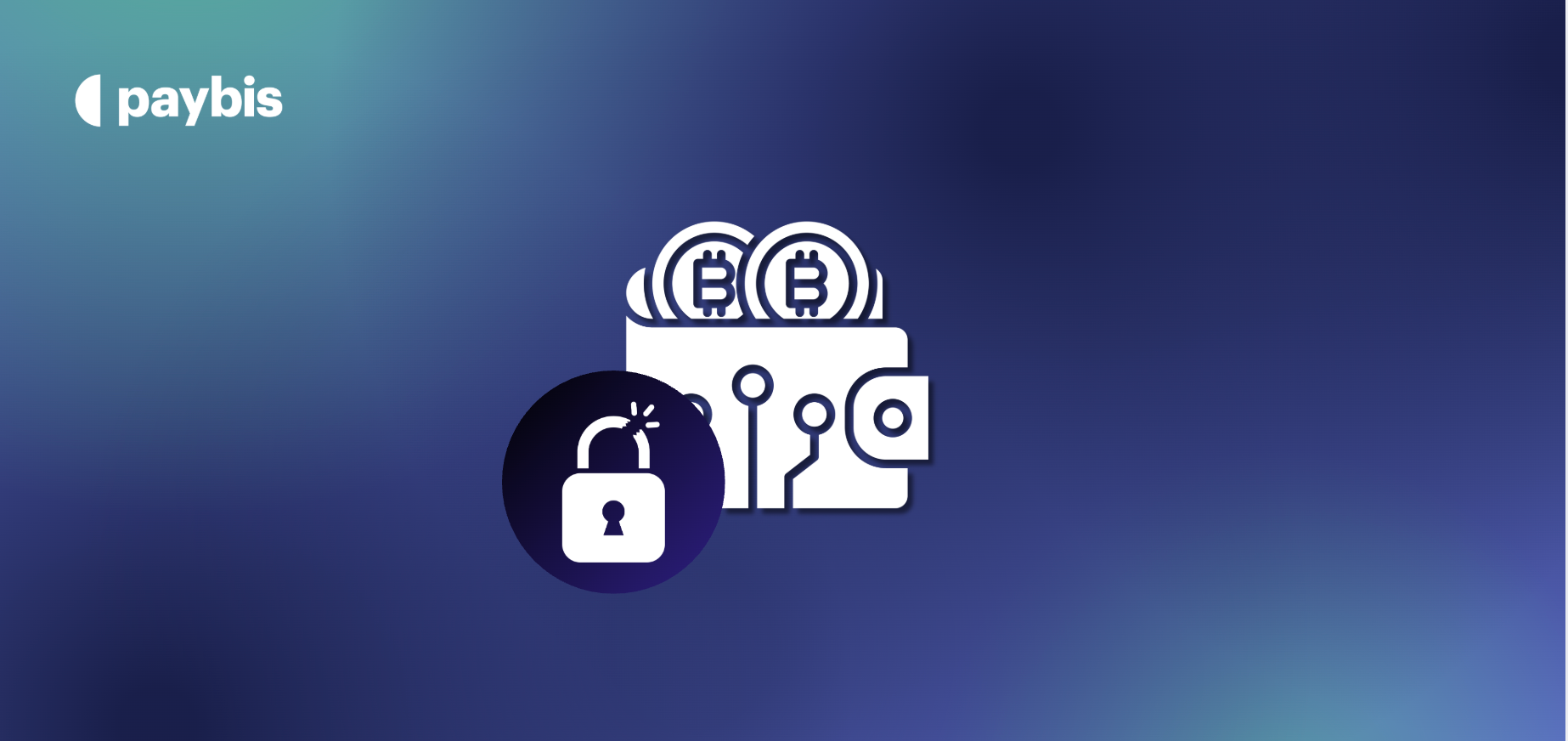
Securing your Litecoin takes less time than brewing coffee. Enable two-factor authentication on your email account (Google, Outlook, or iCloud), use a unique password with letters, numbers, and symbols, and always double-check wallet addresses before sending. We protect your funds with FinCEN registration and FINTRAC compliance, but your account security starts with these simple habits. We handle the heavy lifting. You just need to lock your front door.
You bought Litecoin to invest in your future, not to worry about security risks. The reality is most crypto losses come from user error, not platform breaches. Phishing attacks alone cost the crypto industry over $1 billion in 2024 across 296 incidents, making it the top threat to your funds.
The good news? We operate in 180+ countries with FinCEN and FINTRAC registration, handling institutional-grade security while you handle five basic habits. This guide covers what you control, the final lock on your account door.
Table of contents
Why Litecoin Security Matters
When you buy Litecoin, we store it in a custodial wallet where we manage the private keys. This means convenience, you don’t need to memorize seed phrases or worry about hardware wallet backups.
But convenience creates responsibility. Your email and password become the only barriers between someone else and your Litecoin. Wallet compromises accounted for approximately 69% of crypto value lost in the first half of 2025, with most cases involving private key theft or compromised credentials.
Think of security as a partnership. We lock the building with PCI DSS Level 1 certification and regulatory compliance. You lock your apartment with 2FA and password hygiene. Both layers matter.
One user praised our approach on Trustpilot:
“Purchasing virtual coins has been very easy and very secure. They only keep the information that is needed to make my transaction and don’t display private information.” – Verified user review of Paybis
We handle compliance and infrastructure. You handle access control. Watch our guide on just how secure Paybis’ custodial Bitcoin-compatible wallet with on-chain verification keeps your crypto safe with easy access.
5 Steps to Secure Your Account Immediately
1. Enable Two-Factor Authentication (2FA)
We require email verification for every login, sending a one-time password to your registered address. This passwordless approach means your email becomes your security hub.
Your first move: enable 2FA on your email account itself using Google Authenticator or Bitwarden Authenticator. When someone tries to access your account, they’ll need both your email password and a code from your phone.
Setup process:
- Open your email provider’s security settings (Gmail, Outlook, or iCloud)
- Look for “Two-Step Verification” or “Two-Factor Authentication”
- Download Google Authenticator or Bitwarden to your phone
- Scan the QR code your email provider shows
- Save backup codes in a secure location (not on your phone)
Mobile app users: If you use our app, enable biometric verification like fingerprint or face ID for faster access without compromising security.
Critical warning: If you lose your phone without backup codes, account recovery can take 14+ days. Save those backup codes when you set up 2FA, write them on paper and store them separately from your devices.
2. Create a Unique, Strong Password
We recommend avoiding common or reused passwords and using a combination of letters (upper and lowercase), numbers, and special characters.
“Litecoin2024!” is not a strong password. “g7$mK2pL9#nR5wQ” is. The difference? One appears in password breach databases. The other doesn’t.
Password best practices:
- Use at least 8-12 characters: Longer passwords resist brute-force attacks better
- Mix character types: Uppercase, lowercase, numbers, symbols
- Never reuse passwords: Your password should exist nowhere else
- Use a password manager: Tools like Bitwarden or 1Password generate random passwords and store them securely
If you forget your password, we allow recovery via email, but this process proves why email 2FA matters. Someone with access to your email could reset your password.
3. Verify Wallet Addresses Before Sending Litecoin
All cryptocurrency transactions are irreversible. Once you send Litecoin to an address, there’s no “undo” button. When the required confirmations complete (about 2.5 minutes per block), the transaction becomes permanent.
Litecoin address format: Addresses start with “L,” “M,” or “ltc1” for SegWit transactions and contain 26-35 characters.
The copy-paste rule: Never type wallet addresses manually. Always copy and paste, then verify the first 4 and last 4 characters match before confirming.
Example verification:
- You copy:
LaMKqT9TvW8g3dV2sN7xR4pK9jH2fM5cL3 - You paste:
LaMK...cL3 - Match? Send. Mismatch? Stop immediately.
Malware exists that replaces copied addresses with scammer wallets. Checking both ends catches this attack. One extra 10-second check protects your entire investment.
Watch our guide on sending and withdrawing crypto for a visual walkthrough of the withdrawal process, including address verification steps.
4. Recognize and Block Phishing Attempts
Phishing scams look legitimate because they’re designed to. Here are the red flags:
Warning signs that scream “scam”:
- Urgency tactics: “Verify your account within 24 hours or lose access”
- Unexpected security requests: We send order confirmations and security alerts, but we will never ask for passwords or 2FA codes via email
- Typos and grammar errors: “Verfiy you’re wallet imediately” signals scam
- Suspicious sender addresses: Legitimate emails come from @paybis.com or @hello.paybis.com (marketing only)
- Payment demands: No legitimate company asks for cryptocurrency or gift cards to resolve account issues
What we will NEVER do:
- Call you on the phone (we don’t provide phone support)
- Ask for your password via email or chat
- Request 2FA codes
- Contact you on Telegram, WhatsApp, or unofficial channels
- Promise guaranteed returns on Litecoin investments
Official contact channels:
- Website: Paybis.com
- Email: support@paybis.com
- 24/7 live chat on our official website
Save Paybis.com as a bookmark. Type it manually the first time, then always use the bookmark. This prevents clicking malicious Google ads that lead to fake sites. Watch our quick guide on the Top 5 Crypto Security Issues to be aware of below:
5. Understand Custodial vs Non-Custodial Wallets
When you buy Litecoin, it sits in a custodial wallet where we manage the private keys. This is like keeping money in a bank, convenient but requires trusting the institution.
Custodial wallet advantages:
- Password recovery: Forget your password? We can reset it with security questions
- No seed phrase stress: You don’t need to memorize or store 12-24 recovery words
- Easier to use: One reviewer called us incredibly user-friendly compared to self-custody options
Custodial wallet trade-offs:
- Platform dependency: Your access depends on us staying operational
- Regulatory risk: Government regulations could freeze accounts (though our FinCEN compliance reduces this risk)
- Third-party trust: You’re trusting our security rather than controlling it yourself
Non-custodial wallets (like Ledger or MetaMask) give you full control. You hold the private keys. But you become your own bank, lose your seed phrase, and your Litecoin is gone forever. No customer support can recover it.
When to use each:
| Your Situation | Best Choice |
|---|---|
| Buying $100-$2,000 occasionally | Custodial (our wallet) |
| Holding $5,000+ long-term | Non-custodial (hardware wallet) |
| Making frequent trades | Custodial (faster access) |
| Maximum security mindset | Non-custodial (you control keys) |
Many users keep small amounts with us for convenience and withdraw larger holdings to external wallets for long-term storage.
How We Protect Your Litecoin Behind the Scenes
While you handle account access, we run institutional-grade security infrastructure you never see.
- Regulatory compliance: We’re registered with FinCEN (No. 31000224635628) in the United States as a Money Services Business and operate in 48 states. We also hold FINTRAC registration (No. M22061209) in Canada, ensuring compliance with North American anti-money laundering laws.
- Data protection: PCI DSS Level 1 certification means we meet the highest standard for handling credit card information. All data transmission uses SSL encryption, the same technology banks use.
- Wallet security: We employ Multi-Party Computation technology (MPC) for business wallets, which fragments private keys across multiple secure locations. This prevents any single point of failure.
- Track record: We’ve operated since 2014 with zero major hacks. In an industry where exchanges collapse regularly, an 11-year clean record matters.
- Support availability: When something breaks, we offer 24/7 live chat in 9 languages with response times under 1 minute. One user noted:
“I especially appreciate the transparent fee structure—no hidden costs or surprises. Verification was fast, and the platform feels secure.” – Verified user review of Paybis
This combination of regulatory oversight, encryption standards, and responsive support creates multiple security layers. But these protect our platform, 2FA and password hygiene protect your account. Watch our visual walkthrough of just how safe and secure Paybis is for transacting and storing your crypto.
What to Do If You Suspect Suspicious Activity
Speed matters when your account is compromised. Follow this sequence immediately:
Step 1: Secure your payment methods
Call your bank and request to block your linked card or change passwords if a scammer accessed your account.
Step 2: Change your passwords
Reset your password immediately using the forgot password option. Use a completely new password unrelated to the compromised one.
Step 3: Contact us
Reach out via live chat at paybis.com or email support@paybis.com. Our support team works 24/7, 365 days a year. Explain what happened and request an account security review.
Step 4: Scan for malware
Install licensed antivirus software and scan your computer and phone. Malware that steals passwords might still be running.
Important limitation: If you sent Litecoin to a scammer’s wallet, we cannot reverse the transaction. Blockchain transactions are final. We track known scam wallets and block transactions when possible, but we can’t control external wallets or return funds after confirmation.
Security Checklist
Print or save this checklist to your phone:
- Enable 2FA on your email account (Gmail, Outlook, or iCloud)
- Create unique password with mixed characters (upper, lower, numbers, symbols)
- Save backup codes in secure location separate from devices
- Verify wallet addresses (first 4 and last 4 characters before sending)
- Bookmark Paybis.com to avoid phishing sites
- Never share password or 2FA codes with anyone
Ready to secure your account? Start with the fastest win: enable 2FA on your email right now using Google Authenticator. Then bookmark Paybis.com to avoid phishing sites.
Security isn’t about technical expertise. It’s about five simple habits that work alongside our institutional-grade infrastructure. Lock your front door so the building security can do its job.
Your first Litecoin purchase with a card has zero service fees from us, just payment processing and network costs. You’ll have your cyrpto within 15 minutes, we handle the rest.
Start buying Litecoin or download our mobile app for iOS/Android.
Key Terminology
Two-Factor Authentication (2FA): Security method requiring two separate proofs of identity typically a password plus a code from your phone before granting account access.
Phishing: Scam technique where criminals impersonate legitimate companies via email, text, or fake websites to steal login credentials or cryptocurrency.
Custodial Wallet: Cryptocurrency storage where a third party (like us) holds your private keys, similar to a traditional bank account. Convenient but requires trusting the platform.
FinCEN: Financial Crimes Enforcement Network, a US Treasury bureau that regulates money services businesses including crypto exchanges.
PCI DSS: Payment Card Industry Data Security Standard, the highest certification for secure handling of credit card information. Level 1 is the strictest tier, requiring annual on-site audits.
Network Fee: Blockchain fee paid to miners who verify transactions. We don’t profit from this, it’s a pass-through cost that varies based on network congestion.
FAQ
Does Paybis charge fees for security features?
All security features including SSL encryption, account verification, and 2FA recommendations are free. We charge service fees (2.49% after first purchase) and payment processing fees (4.5% for cards over $50) for transactions, not security.
How long does Litecoin verification take on the blockchain?
Litecoin block time averages 2.5 minutes, so first confirmation arrives quickly. Most exchanges consider 6 confirmations final (about 15 minutes total).
Can I withdraw Litecoin to my own wallet?
Yes. Withdraw cryptocurrency from your Paybis wallet by accessing your wallet, clicking “Send,” entering your external wallet address, choosing a network fee level (low, medium, or high), and confirming with the SMS code sent to your phone.
What if I forget my password and lose 2FA access?
Contact us at support@paybis.com immediately. Recovery requires identity verification and processing time for security reasons.
Is Paybis regulated in my country?
We operate in 180+ countries with FinCEN registration for the US (48 states) and FINTRAC for Canada. Check our website for current geographic restrictions.
Disclaimer: Don’t invest unless you’re prepared to lose all the money you invest. This is a high‑risk investment and you should not expect to be protected if something goes wrong. Take 2 mins to learn more at: https://go.payb.is/FCA-Info