Exchange Alternatives – Choosing your best option

Finding the right cryptocurrency exchange alternatives can be a daunting task. Not everyone chooses the most popular options and there are many good reasons for that.
Some platforms are more restricted while others are more focused on users’ privacy.
Some do not support your country while others do not support your preferred payment method.
The primary goal of any exchange should be to eliminate the difficulty and emphasize on a fast and reliable service without any unpredictable setbacks.
And some exchanges seem to experience the latest more than others. For that reason that we are exploring cryptocurrency exchange alternatives and how these can improve your buying experience.
Table of contents
- Coinbase Exchange Alternatives
- Mercado Bitcoin Exchange Alternatives
- CEX Exchange Alternatives
- Poloniex Exchange Alternatives
- What Should You Look for in a Crypto Exchange in 2026?
- Centralized vs Decentralized Exchanges – Which Should You Choose?
- How Have Exchange Fees Changed in 2026?
- What Security Features Matter Most in 2026?
- What Additional Features Do Modern Exchanges Offer?
Coinbase Exchange Alternatives
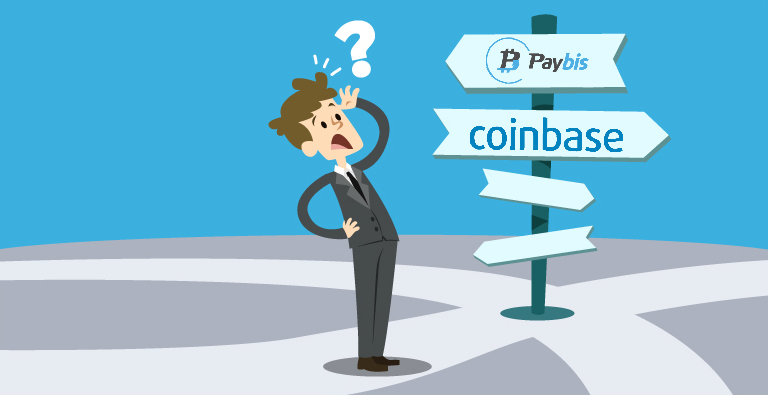
Here we compare Coinbase against Paybis, focusing on the pros and cons and seeing which exchange can best serve you.
If you are ready to buy Bitcoin, you read the comparison and choose the best platform to do so.
Mercado Bitcoin Exchange Alternatives
The Brazilian crypto exchange has been serving the local population for quite some time now. But does this mean it’s the best option available?
In this article, we explore Mercado Bitcoin by analyzing its strong and weak points, comparing those with other options that could serve you better.
CEX Exchange Alternatives
CEX.io is one of the oldest cryptocurrency exchanges around. They started as a cloud-mining company but fully committed to their crypto exchange services as of 2015.
As it’s one of the rather popular exchanges in the crypto-space, we wanted to weigh the pros and cons of this exchange and see if an alternative way of buying cryptocurrencies should be considered instead.
Poloniex Exchange Alternatives
One of the early birds in the cryptocurrency sphere, Poloniex, was established in 2014 and has been operating successfully ever since. Based in San Francisco, it has become one of the world’s leading exchanges, offering its services around the globe.
But how do its services compare to the competition? We’re here to find out if there could be good alternatives to Poloniex when purchasing and selling cryptocurrencies.
After thorough research and combing through a multitude of reviews online, we would like to share the following findings with our users.
What Should You Look for in a Crypto Exchange in 2026?
Security comes first. The best platforms use cold storage for most funds, require two-factor authentication, and have never been hacked. Check their track record. Platforms that survived since 2017 without major breaches earned that longevity.
Fees matter more than you think. Trading fees range from 0.1% to over 2% per transaction. If you’re new to the space, reading a comprehensive cryptocurrency trading guide can help you understand what features to prioritize when selecting an exchange platform. Small percentages compound fast when you trade frequently. Look at maker/taker fee structures, withdrawal fees, and deposit charges. Some platforms waive fees for certain payment methods.
Supported cryptocurrencies define your options. When choosing an exchange, make sure it supports the cryptocurrencies you’re interested in. If you’re looking to buy Ethereum or other popular altcoins, verify the platform offers these options before signing up. Beyond Bitcoin, many users want to buy Litecoin and other established cryptocurrencies. The best platforms offer a diverse selection of digital assets.
Regulatory compliance protects you legally. Platforms licensed in the US, UK, or EU face strict oversight. This means audits, customer protection requirements, and legal recourse if something goes wrong. Unlicensed exchanges operating offshore offer fewer protections.
Beyond web platforms, consider the best cryptocurrency apps for mobile trading, as convenience and accessibility are crucial factors when choosing where to trade.
User experience separates good from great. Beginners need simple interfaces. Advanced traders want charting tools, API access, and order types beyond basic market buys. Before making any purchase, use a Bitcoin calculator to understand exactly how much crypto you’ll receive for your money, including all fees.
Customer support becomes critical when problems hit. Can you reach a human? How fast do they respond? Check reviews for support quality before signing up.
Centralized vs Decentralized Exchanges – Which Should You Choose?
Centralized exchanges (CEXs) act as middlemen. You deposit funds. They hold your crypto. You trade on their platform. They control the private keys. Coinbase, Kraken, Binance – these are CEXs.
CEX advantages: easier to use, better liquidity, fiat onramps, customer support, trading features. Most beginners start here because the interface feels familiar. You can deposit dollars and buy crypto in minutes.
CEX disadvantages: you don’t control your keys, hacking risk, account freezes, KYC requirements, withdrawal limits. “Not your keys, not your coins” applies here. The exchange can freeze your account or get hacked.
Decentralized exchanges (DEXs) cut out the middleman. You trade directly from your wallet using smart contracts. Uniswap, PancakeSwap, dYdX – these are DEXs.
DEX advantages: you control your keys, no KYC, no account freezes, access to new tokens faster. Privacy matters to some users. Censorship resistance matters to others.
DEX disadvantages: steeper learning curve, lower liquidity for some pairs, no fiat onramps, gas fees can spike, harder to use, no customer support. If you make a mistake or get scammed, there’s no help desk.
For most users? Start with a regulated CEX. Learn the basics. Understand how wallets work. Then explore DEXs once you’re comfortable managing your own private keys.
A comprehensive exchange should allow you to both buy and sell Bitcoin easily, with transparent fees and reliable service in both directions.
How Have Exchange Fees Changed in 2026?
Fee structures got more competitive. Exchanges compete for users by cutting trading fees and adding volume tiers.
Standard spot trading fees now range from 0.08% to 0.50%. Kraken charges 0.10% maker / 0.16% taker for retail users. Coinbase charges about 0.50% for spot trades. Binance goes as low as 0.075% for high-volume traders.
Volume tiers reward active traders. Trade $1 million monthly? Your fees drop significantly. Most platforms offer 5-10 tiers based on 30-day volume. The spreads between tiers create strong incentives to consolidate trading on one platform.
Withdrawal fees vary wildly. Bitcoin withdrawals cost $1-5 on most platforms. Ethereum can cost $5-15 depending on network congestion. Some platforms waive withdrawal fees for their native tokens. Always check withdrawal costs before depositing.
Deposit fees are mostly dead. Most platforms offer free deposits for crypto and many payment methods. Some still charge for credit cards (2-4%) or international wires. ACH and SEPA transfers are usually free.
Hidden costs matter. Some platforms advertise zero-fee trading but make money on spreads. The buy price sits higher than market. The sell price sits lower. The difference is their profit. This can exceed standard trading fees on smaller trades.
Compare total costs, not just advertised fees. A platform charging 0.1% with tight spreads beats a “zero fee” platform with 2% spreads.
What Security Features Matter Most in 2026?
Cold storage protects most funds. Reputable exchanges keep 90-98% of assets offline in cold wallets. Only hot wallets stay online for daily trading. If the exchange gets hacked, cold storage remains safe.
Two-factor authentication should be mandatory. SMS-based 2FA is better than nothing. Authenticator apps (Google Authenticator, Authy) are stronger. Hardware security keys (YubiKey) are strongest. Enable the best 2FA option available.
Withdrawal whitelist addresses add another layer. You specify approved wallet addresses. Withdrawals to new addresses require additional confirmation. This stops hackers even if they compromise your account.
Insurance matters for regulated platforms. Coinbase offers FDIC insurance on USD deposits and crime insurance on crypto. Gemini provides similar coverage. Most offshore platforms offer zero insurance.
Account recovery processes reveal security thinking. How do they verify identity for password resets? What documents do they require? Platforms with rigorous recovery processes protect you even if you lose access.
Audit trails and monitoring detect suspicious activity. Good platforms monitor for unusual login locations, large withdrawals, or rapid trading. They notify you and sometimes freeze suspicious activity until you confirm.
Historical track record speaks loudest. How many breaches? How did they handle them? Did users get compensated? Kraken has been operating since 2011 without major hacks. That record matters more than marketing promises.
What Additional Features Do Modern Exchanges Offer?
Exchanges evolved beyond simple trading. The best platforms now function as complete crypto financial hubs.
Staking lets you earn passive income. Lock your coins to help secure proof-of-stake networks. Earn 3-15% annually depending on the asset. Kraken offers staking on 25+ assets. Coinbase supports 10+. Rewards compound automatically.
Lending products generate yield on stablecoins. Deposit USDC or USDT. Earn 3-8% APY. The exchange lends your coins to margin traders and shares the interest. Risk exists – you’re exposed to the exchange’s solvency.
Derivatives trading attracts advanced users. Futures, options, perpetual swaps with leverage up to 125x. OKX and Binance lead here. Derivatives are complex and risky. Most retail traders lose money on leveraged positions.
DeFi integrations bridge centralized and decentralized. Some exchanges offer built-in DEX aggregators, Web3 wallets, and NFT marketplaces. OKX pioneered this model. You can trade on Uniswap through their interface while keeping funds on the CEX.
Educational resources help new users learn. Coinbase offers “Learn and Earn” – watch videos, take quizzes, earn crypto. Kraken publishes extensive guides. These resources reduce the learning curve significantly.
Payment flexibility matters for onboarding. The best platforms support credit cards, debit cards, bank transfers, PayPal, Apple Pay, and Google Pay. More payment options mean easier access for new users.
API access enables automation. Experienced traders build bots, run algorithms, and automate strategies. Look for well-documented APIs with reasonable rate limits if you want to code your own trading system.
FAQ
Should I use multiple exchanges or stick with one?
Multiple exchanges spread risk but add complexity. If one exchange freezes withdrawals or gets hacked, you’re not locked out completely. You also access different coin listings – some tokens only trade on specific platforms. The downside is managing multiple accounts, dealing with different fee structures, and fragmenting your trading volume. Most traders use 2-3 exchanges: one major platform for most trading, one backup for specific altcoins, one DEX for newer tokens. This balances convenience with risk management.
How do I know if an exchange is legitimate or a scam?
Check licensing and regulation first. Legitimate platforms hold licenses from FinCEN (US), FCA (UK), or MiCA (EU). Verify this directly on regulator websites, not the exchange’s marketing. Look at age and track record. Platforms operating 5+ years without major scandals probably aren’t scams. Read independent reviews on Reddit, Trustpilot, and crypto forums. Be suspicious of platforms promising unrealistic returns, charging unusual fees, or making withdrawal difficult. If you can’t find independent reviews or regulatory information, don’t deposit funds.
What happens to my crypto if an exchange goes bankrupt?
It depends on the exchange and jurisdiction. In the US, bankruptcy law treats crypto differently from cash. Your coins might be considered exchange property, not yours. Regulated exchanges with insurance offer better protection. Coinbase insures US cash deposits (FDIC) and crypto holdings against theft. Most exchanges offer zero insurance. This is why “not your keys, not your coins” matters. If bankruptcy concerns you, withdraw to a personal wallet after trading. Only keep on exchanges what you’re actively trading.
Can I avoid KYC verification on exchanges?
Legitimate regulated exchanges require KYC for legal compliance. Coinbase, Kraken, and Gemini all mandate identity verification before you can deposit or withdraw fiat. Some platforms allow limited crypto-to-crypto trading without KYC up to certain amounts. Decentralized exchanges don’t require KYC because you trade directly from your wallet. But DEXs lack fiat onramps – you can’t deposit dollars. Privacy coins and P2P platforms exist but carry higher risks. For most users, completing KYC at a regulated exchange is safer than seeking alternatives.
How long does it take to withdraw from an exchange?
Crypto withdrawals process in minutes to hours, depending on blockchain congestion. Bitcoin takes 10-60 minutes. Ethereum takes 1-15 minutes. Some exchanges batch withdrawals or manually review large amounts, adding delay. Fiat withdrawals take longer. ACH transfers clear in 1-3 business days. Wire transfers process the same or next business day. International wires take 3-5 days. First withdrawal from a new account often faces additional security delays. Plan ahead if you need funds urgently.
What's the difference between maker and taker fees?
Makers add liquidity by placing limit orders. Your order sits on the order book waiting for someone to match it. Takers remove liquidity by placing market orders. You match against existing orders and execute immediately. Exchanges charge lower fees for makers because they provide liquidity that helps the platform. Typical structure: 0.10% maker, 0.16% taker. If you’re not in a rush, use limit orders to pay maker fees. Market orders convenience costs extra through taker fees.
Disclaimer: Don’t invest unless you’re prepared to lose all the money you invest. This is a high‑risk investment and you should not expect to be protected if something goes wrong. Take 2 mins to learn more at: https://go.payb.is/FCA-Info