Why Your SUI Crypto Isn’t Earning on Coinbase (and How to Start)
Key Takeaways
Coinbase Exchange does not support native SUI staking. While you can trade SUI on the main Coinbase app, you will not earn staking rewards. To earn yield, transfer SUI to a self-custody wallet like Coinbase Wallet or Sui Wallet and delegate to a validator. Current staking APY ranges from 1.80% to over 5%, depending on your chosen validator and the platform used. The minimum stake is 1 SUI. If you buy SUI on Coinbase via bank transfer, expect a 7-10 day hold before you can move tokens to start staking.
Typically, when you buy SUI on an exchange e.g. Coinbase, you’d expect to earn passive income. But here’s the kicker with Coinbase you don’t earn anything.
This unfortunately is not a bug or glitch. Coinbase Exchange doesn’t support SUI staking on the main platform. While you can buy, sell, and hold SUI on Coinbase, the exchange does not pass staking rewards to users for this specific asset.
Here is what is happening and how to fix it.
Table of contents
- What is SUI and Why Can’t I Stake it on Coinbase?
- Coinbase Exchange vs. Coinbase Wallet: The Critical Difference
- How to Stake SUI Using Coinbase Wallet (step-by-step)
- The Hidden Cost of Buying on Coinbase for Staking
- Selecting the Right Validator for Your SUI
- Risks and Benefits of Staking SUI
- Getting Started: Your Pre-staking Checklist
- Key Terminology
What is SUI and Why Can’t I Stake it on Coinbase?
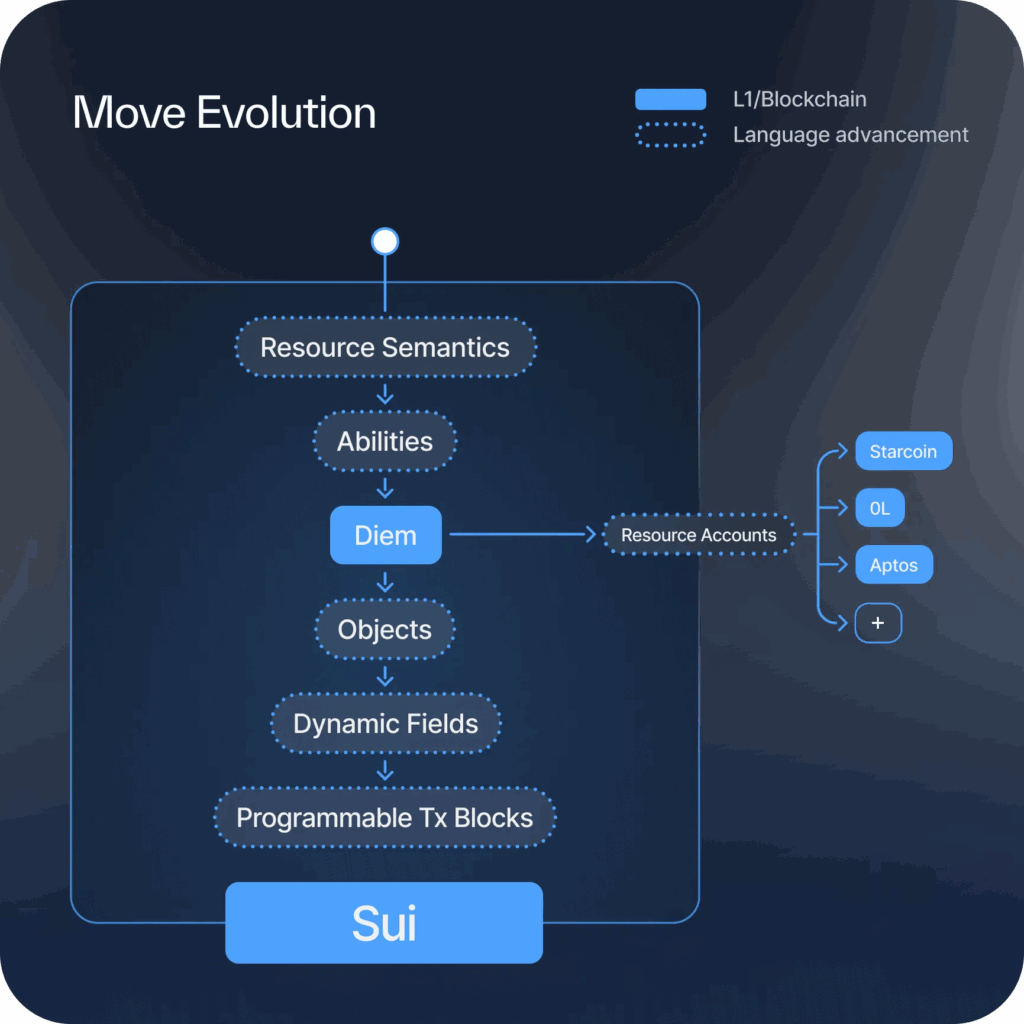
SUI is the native token of the Sui blockchain, a Layer 1 network that launched in May 2023. The network uses a delegated proof-of-stake consensus mechanism, meaning token holders can delegate their SUI to validators who secure the network and earn rewards in return.
As of November 27, 2025, SUI trades around $1.53-$1.63 with a market cap near $5.65 billion and over $762 million in daily trading volume.
The network offers staking rewards to participants. Validators currently offer APY between 1.80% and over 5% depending on their commission rates and the platform you use.
But Coinbase Exchange does not offer these rewards to users who hold SUI on the platform.
The Difference Between Listing and Staking Support
Coinbase lists over 200 cryptocurrencies for trading. Listing means you can buy, sell, and hold an asset on the exchange.
Staking support is different. When Coinbase supports staking for an asset like Ethereum or Solana, the exchange handles the technical work of delegating your tokens to validators and passes rewards back to you, minus their commission (typically 25-35% of your earnings).
For SUI, Coinbase has chosen not to offer this service on the main exchange platform. You will see “Staking” options for ETH, SOL, and other assets, but not for SUI.
Coinbase Exchange vs. Coinbase Wallet: The Critical Difference
Many users confuse the Coinbase app with Coinbase Wallet. These are two separate products with different capabilities.
- Coinbase Exchange (the main app): This is a custodial platform. Coinbase holds the private keys to your crypto. You trust them to secure your assets. In exchange for this convenience, you give up control. Coinbase decides which assets support staking and takes a cut of any rewards they do offer.
- Coinbase Wallet: This is a self-custody wallet app. You control the private keys through a recovery phrase. Your crypto is yours. You can connect to any decentralized application (dApp) on the networks you choose, including SUI staking platforms.
Here is the comparison:
| Feature | Coinbase Exchange | Coinbase Wallet |
|---|---|---|
| SUI Trading | Yes | Yes |
| SUI Staking | No | Yes |
| Custody | Custodial | Self-custody |
| dApp Access | No | Yes |
If you want to stake SUI, you need to move it to a self-custody wallet. If you prefer custodial solutions, read our guide on the best custodial wallets. Still not clear? Checkout our deep dive on custodial vs non-custodial wallets.
How to Stake SUI Using Coinbase Wallet (step-by-step)
Here is the Process to Move Your SUI from Coinbase Exchange to Staking:
Step 1: Download a self-custody wallet
Install Coinbase Wallet or the official Sui Wallet browser extension. Both are free. When you set up the wallet, write down your recovery phrase on paper and store it somewhere safe. This phrase is your only backup if you lose your device.
Step 2: Buy or transfer SUI to your wallet
If you already own SUI on Coinbase, you need to withdraw it. Open the Coinbase app, navigate to your SUI balance, and select “Send.” Copy your wallet address from Coinbase Wallet or Sui Wallet and paste it into the recipient field. Confirm the transaction. Network fees for SUI transfers are typically less than $0.01.
The catch: if you bought SUI via ACH bank transfer, Coinbase imposes a hold before you can withdraw. While Coinbase states ACH transfers take 3-5 business days to complete, user reports indicate holds often last 7-10 days before funds become available for withdrawal. Your SUI is locked on the exchange during this period. You cannot stake it. You are not earning rewards.
For faster access, consider using Paybis with a debit card to purchase (available for instant withdrawal) or wire transfer (also instantly available but with bank fees). For a step-by-step walkthrough, check out Paybis’s video guide on how to buy crypto with a credit card.
Step 3: Connect to a validator and stake
Open your self-custody wallet. Navigate to the “Stake & Earn SUI” feature. You will see a list of available validators.
Review each validator’s commission rate and uptime. Lower commission means higher APY for you, but also check the validator’s performance record. A validator that is offline does not earn rewards for delegators.
Select your validator. Enter the amount of SUI you want to stake. The protocol minimum is 1 SUI. Confirm the transaction and pay the small gas fee.
Your SUI is now staked. Rewards accumulate every 24 hours and compound automatically.
Step 4: Monitor and claim rewards
Most wallets show your accumulated rewards in the staking dashboard. Rewards auto-compound, meaning they are automatically re-staked to increase your future earnings.
If you want to unstake, the unbonding period is one epoch or approximately 24 hours. During this time, your SUI does not earn rewards. After the epoch completes, your tokens are fully liquid again.
“The verification took literally 2 minutes. I had Bitcoin in my wallet 10 minutes after that. Fastest I’ve ever bought crypto.” – Verified user review of Paybis
The Hidden Cost of Buying on Coinbase for Staking
You decide to buy $500 worth of SUI on Coinbase to start staking. You link your bank account and initiate an ACH transfer.
Coinbase shows the SUI in your account balance immediately. But when you try to send it to your wallet, you see: “Available to send in 7 days.”
This hold period is Coinbase’s fraud prevention policy for ACH purchases. During this period, you can trade the SUI on Coinbase, but you cannot withdraw it.
That is 7-10 days of lost staking rewards. More importantly, it costs you momentum. When you decide you want to stake, you want to start today, not next week.
Platforms like Paybis avoid this problem entirely. With debit card purchases, your crypto is available to withdraw immediately, no multi-day holds. You can buy SUI and transfer it to your staking wallet within minutes, not days. Watch how fast the process is in our tutorial guide: Paybis’s step-by-step video guide on buying crypto with a credit card.
Selecting the Right Validator for Your SUI
When you stake SUI, you are delegating your tokens to a validator who processes transactions and secures the network. Your choice of validator directly impacts your returns.
- Commission rate: This is the percentage of your rewards the validator keeps as their fee. Validators on SUI charge varying commission rates, with some offering low single-digit fees while others charge higher percentages. Lower commission means you receive more of the gross staking rewards.
- Uptime and performance: Choose validators with strong uptime records (99%+ over 30 days) to ensure consistent rewards. Check the validator’s historical performance on SUI explorers like Suiscan.
- Total stake: Validators with larger total stake have proven track records, though network decentralization benefits from spreading stake across many validators.
While Coinbase Exchange does not offer SUI staking, some centralized exchanges offer custodial staking (platforms like Kraken offer up to 3% APR and Binance provides upwards of 0.21% APY) if you prefer convenience over maximum control. Direct delegation through Sui Wallet gives you access to all validators and typically offers the highest yields.
Risks and Benefits of Staking SUI
Staking SUI offers passive income, but it is not risk-free.
Benefits of Staking SUI
- Passive income: Your SUI earns rewards annually just by being staked. Rewards compound every 24 hours as they are automatically re-staked.
- Network participation: Stakers help secure the SUI blockchain by giving their chosen validator more weight in consensus decisions.
- Liquid staking options: With SIP-6, SUI introduced support for liquid staking, allowing you to use your staked SUI in DeFi protocols while still earning rewards.
Risks of Staking SUI
- Price volatility: SUI’s market price fluctuates. Earning rewards does not help if SUI’s price drops significantly while you are staked.
- Unbonding delays: When you decide to unstake, your SUI enters a 24-hour unbonding period before becoming fully liquid again.
- Validator performance: If your validator experiences downtime, you earn zero rewards during that period.
“The app is very easy to use. If I have any questions they get answered in a timely matter.” – Verified user review of Paybis
Getting Started: Your Pre-staking Checklist
Before you stake SUI, verify you have completed these steps:
Wallet setup:
- Self-custody wallet installed (Coinbase Wallet, Sui Wallet, or Suiet)
- Recovery phrase written down and stored securely offline
- Wallet funded with SUI tokens
Staking prerequisites:
- At least 1.05 SUI in wallet (1 SUI minimum stake + 0.05 for gas fees)
- Validator researched and selected
- Validator commission rate and uptime verified on SUI explorer
Risk understanding:
- Aware of 24-hour unbonding period when unstaking
- Comfortable with price volatility risk during staking period
- Understand that staking rewards are paid in SUI, not stablecoins
Ready to start earning on your SUI? The fastest path is buying with instant-withdrawal payment methods (debit card or wire transfer) so you can move tokens to your staking wallet immediately. Paybis offers fast crypto purchases with 2-minute verification and support for 80+ payment methods across 180+ countries. For a detailed walkthrough of setting up your account, read our step-by-step account creation guide. Once you have your SUI, follow the staking steps above to start earning rewards today.
For more guidance on securing your crypto assets and understanding the broader market:
- How crypto wallets can be hacked and how to protect yourself
- Step-by-step guide to sending Bitcoin to another wallet
- Bull and bear market cycle analysis
- 5 Best Staking Coins 2025
Key Terminology
SUI: The native cryptocurrency of the Sui blockchain, used for paying transaction fees, staking, and governance. As of November 27, 2025, SUI trades at approximately $1.53-$1.63.
Staking: Locking cryptocurrency tokens to support blockchain network operations in exchange for rewards. On SUI, stakers delegate tokens to validators who process transactions and secure the network.
Validator: A network participant who runs infrastructure to process transactions and maintain the blockchain. Validators earn rewards and charge delegators a commission for their services.
APY (Annual Percentage Yield): The annualized return on staked assets including compound interest. SUI staking currently offers 1.80% to over 5% APY depending on validator commission and platform.
Epoch: A 24-hour period on the SUI network. Staking rewards are calculated and paid once per epoch, so you earn daily rewards that compound automatically.
Unbonding period: The waiting time after initiating unstaking before tokens become fully liquid. For SUI, this is one epoch (24 hours).
Self-custody wallet: A wallet where you control the private keys through a recovery phrase. Examples include Coinbase Wallet, Sui Wallet, and Suiet.
Commission: The percentage of staking rewards that validators keep as payment for running infrastructure. Different validators charge different commission rates on the SUI network.
FAQ
Does Coinbase support SUI staking?
No. Coinbase Exchange does not support native SUI staking. You can trade SUI on the platform, but you will not earn staking rewards. To earn yield, transfer SUI to a self-custody wallet and delegate to a validator.
How do I move SUI from Coinbase to a wallet?
Open the Coinbase app, navigate to your SUI balance, and select “Send.” Copy your wallet address from your self-custody wallet and paste it into the recipient field. Confirm the transaction. If you purchased via ACH, you must wait 7-10 days before Coinbase allows withdrawal.
What is the minimum amount to stake SUI?
The protocol minimum is 1 SUI. You should hold at least 1.05 SUI total to cover the minimum stake plus gas fees for staking and future unstaking transactions.
Is SUI on Coinbase Wallet safe?
Coinbase Wallet is self-custody. Your security depends on how well you protect your recovery phrase. Never share your seed phrase with anyone. Store it offline on paper in multiple secure locations. Avoid storing it digitally or as a screenshot.
How long does it take to unstake SUI?
Unstaking requires one epoch, approximately 24 hours. Your tokens do not earn rewards during this unbonding period. After the epoch completes, your SUI is fully liquid and transferable.
What's the fastest way to buy SUI for staking?
To avoid hold periods, use a platform like Paybis that offers instant access after purchase, then transfer directly to your staking wallet.
Disclaimer: Don’t invest unless you’re prepared to lose all the money you invest. This is a high‑risk investment and you should not expect to be protected if something goes wrong. Take 2 mins to learn more at: https://go.payb.is/FCA-Info