Physical Bitcoin: What It Actually Is and What It’s Worth
- Physical Bitcoin is real in three forms: collectible coins loaded with actual Bitcoin, exchange-traded products (ETPs) backed by Bitcoin in custody, and empty novelty coins.
- Casascius coins, minted between 2011 and 2013, are the best-known loaded coins. Unpeeled ones trade above face value as collectibles.
- To check a physical Bitcoin, enter the public address printed on the coin into a blockchain explorer. A zero balance means the Bitcoin has already been redeemed.
- “Peeling” a physical coin to redeem the Bitcoin destroys its collectible value permanently.
- Physical Bitcoin ETPs hold actual Bitcoin in cold storage on behalf of investors.
- Bitcoin itself is digital only. Every physical form is a container for, or a claim on, digital Bitcoin. That is why most people who want the asset simply buy Bitcoin with a card instead.
Quick Answer: Physical Bitcoin exists in three forms. Loaded collectible coins like Casascius hold a private key under a tamper-evident hologram. Physical Bitcoin ETPs are exchange-traded products backed by real Bitcoin in cold storage. Novelty coins are decorative metal holding no cryptocurrency. To check whether a coin is real, enter the public address printed on it into a blockchain explorer. A zero balance means the Bitcoin has already been redeemed. Bitcoin itself has no physical form, so every physical version is a container for, or a claim on, a balance recorded on the blockchain.
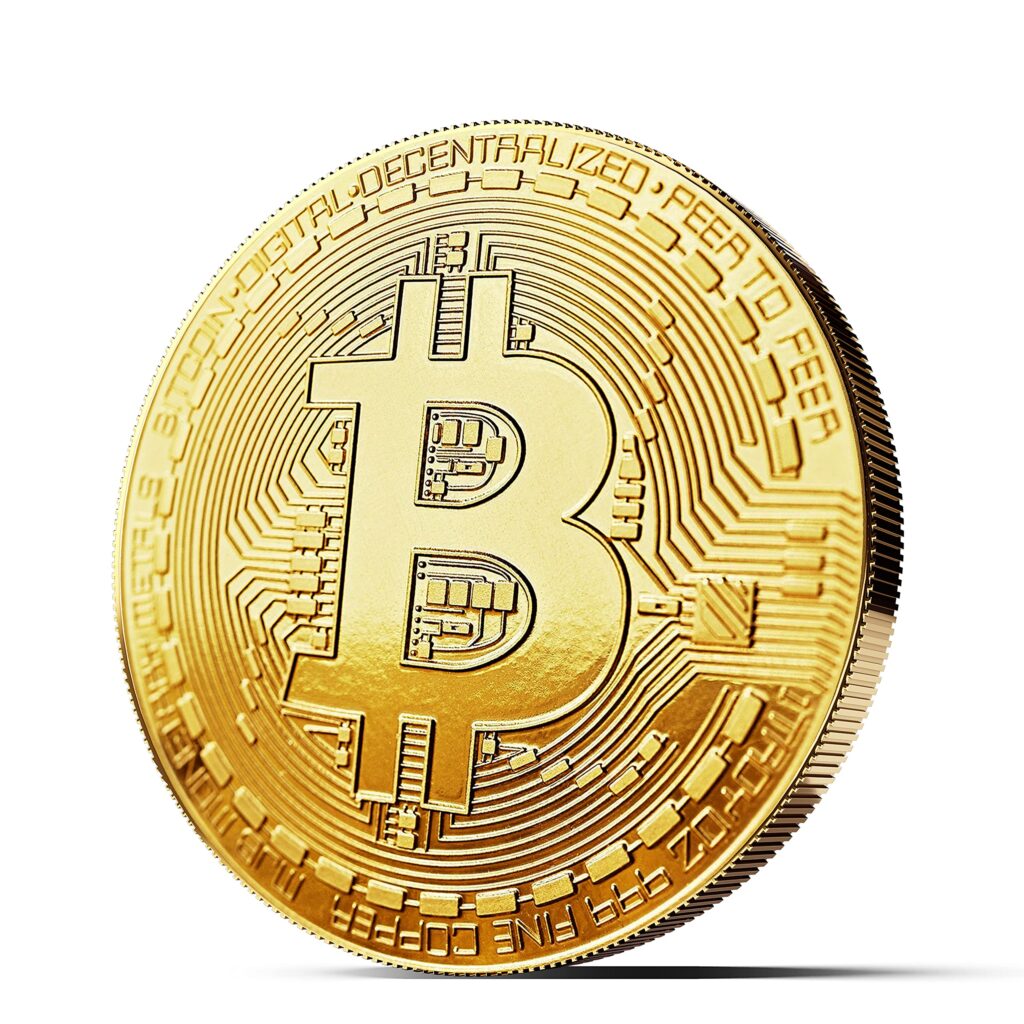
You’ve probably seen the image before: a gold coin with the Bitcoin logo stamped on it. It looks official, like something you could hand to someone and say, “Here’s a Bitcoin.” It raises an obvious question: Is this a real thing? Does physical Bitcoin actually exist?
The short answer is yes, but not in the way you might expect.
There are no physical coins sitting in a vault somewhere, no bills you can fold into your wallet. That is because Bitcoin exists only as digital records on the Bitcoin blockchain. But that hasn’t stopped people from creating physical objects that represent Bitcoin in different ways. How is that even possible? Let’s dive into it.
The Original Physical Bitcoins: Casascius Coins
Mike Caldwell, a hobbyist in Utah, created the first widely recognized physical Bitcoin coins starting in 2011. He minted them under the name Casascius and stopped in late 2013 after regulatory pressure from FinCEN.
The story of physical Bitcoin coins starts with one guy in Utah named Mike Caldwell.
Starting in 2011, Caldwell began minting a series of physical coins and loading each one with a specific amount of Bitcoin. The private key needed to access that Bitcoin was printed on a card and sealed underneath a tamper-evident holographic sticker. As long as the sticker was intact, the Bitcoin was untouched and accessible to whoever held the coin.
He called them Casascius coins, and they became one of the most fascinating artifacts from Bitcoin’s early years.
The coins came in several denominations:
Caldwell stopped minting them in late 2013 after receiving a letter from the Financial Crimes Enforcement Network (FinCEN), which considered his operation an unlicensed money transmission business.
By the time he stopped, he had minted around 27,938 coins with a combined face value of roughly 91,000 BTC.
Today, those coins are genuinely rare. Most of the early ones that still exist with their holograms intact have never been “peeled,” meaning the Bitcoin is still loaded on them. On secondary markets and at auction, intact Casascius coins regularly sell for multiples of their face value, because it’s more than buying the Bitcoin; you’re buying a piece of crypto history.
What Does a Physical Bitcoin Look Like?
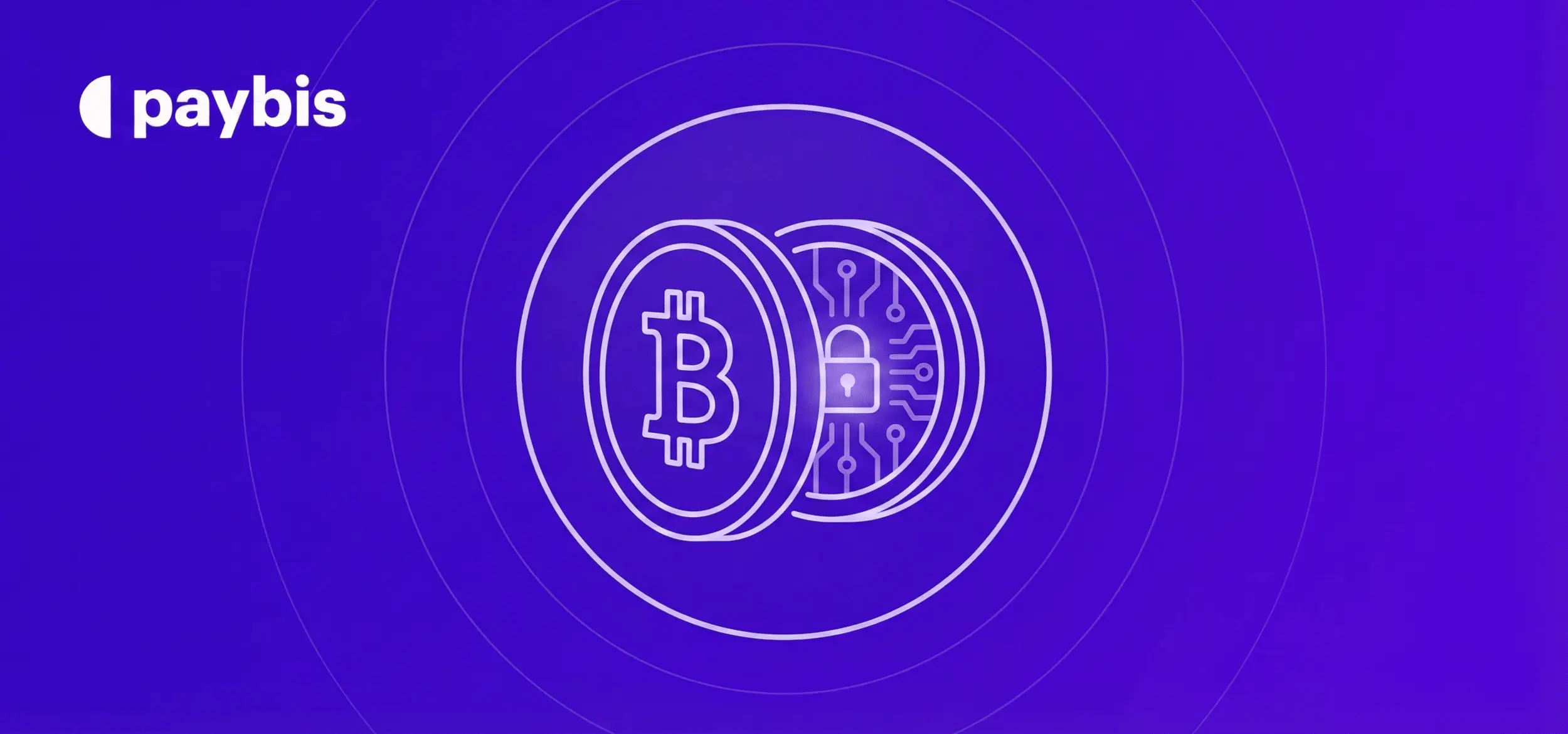
A genuine loaded physical Bitcoin looks like a metal coin with the Bitcoin logo on the front and a tamper-evident holographic sticker on the back that hides the private key. The public address is usually visible on the coin or through a window in the hologram.
That is what separates a real Bitcoin coin from the decorative kind. A novelty coin is solid metal with a logo and nothing else: no sticker, no printed address, nothing to verify. If someone asks what a real Bitcoin looks like, the honest answer is that Bitcoin itself has no appearance at all. It is a balance recorded on the blockchain. The gold coin in every stock photo is either a collectible container for that balance or a decoration.
Loaded coins also state their denomination, such as 1 BTC or 5 BTC, stamped into the metal. If a coin shows no denomination and no address, treat it as decorative.
How to Check a Physical Bitcoin
To check a physical Bitcoin, find the public address on the coin and look up its balance on a blockchain explorer. The balance tells you instantly whether the coin still holds Bitcoin. This is also how to tell if a physical Bitcoin is real before you pay for one.
If you have a coin claiming to hold Bitcoin, here’s how to verify it:
- Find the public address printed on the coin (usually on the front or inside the hologram area)
- Enter that address into a blockchain explorer like Mempool or blockchair
- The explorer shows the current balance at that address
If the balance shows 0, the Bitcoin has already been redeemed. Whatever remains is purely a collector’s item, worth only what someone else is willing to pay for the object itself.
If the authentication legwork is the part you want to avoid, you can buy Bitcoin with a card and hold it in a wallet you control, with nothing physical to verify.
How Much Is a Physical Bitcoin Worth?
It depends entirely on the type. A loaded collectible coin like a Casascius is worth at least the current Bitcoin price plus a collector’s premium. A decorative novelty coin is worth $10-$30 at most, and holds no cryptocurrency.
This question has very different answers depending on what kind of physical Bitcoin you’re asking about.
For collectible coins like Casascius:
The value has two layers. First, whatever Bitcoin is loaded on the coin at current market prices. Second, the collector premium, which can be substantial for rare or early mintages. An intact 1 BTC Casascius coin from 2011 doesn’t sell for just the price of one Bitcoin. Depending on condition, series, and year, it can fetch two to four times that at auction because of its historical significance and shrinking supply.
If the hologram has been peeled and the Bitcoin redeemed, the coin drops to near-zero collectible value. You’re left with a metal token and no cryptocurrency.
For decorative physical Bitcoin coins:
The kind sold on Amazon or novelty shops for $10-$30 have no cryptocurrency loaded onto them at all. They’re just metal coins with a Bitcoin logo. The only question is whether you like how they look.
How to check a physical Bitcoin coin:
If you have a coin claiming to hold Bitcoin, here’s how to verify it:
- Find the public address printed on the coin (usually on the front or inside the hologram area)
- Enter that address into a blockchain explorer like blockchain.com or blockchair.com
- The explorer shows the current balance at that address
If the balance shows 0, the Bitcoin has already been redeemed. Whatever remains is purely a collector’s item, worth only what someone else is willing to pay for the object itself.
What Happens When You “Peel” a Physical Bitcoin?
Yes, by peeling back the holographic sticker to reveal the private key underneath. But once you do that, the coin’s collectible value is gone permanently. It’s a one-way decision.
Redeeming the Bitcoin on a Casascius-style coin is a one-way decision.
Peeling back the hologram reveals the private key. You import that key into a Bitcoin wallet, which transfers the funds to your address. The coin is now empty. And because the hologram is destroyed, there’s no way to restore the coin’s collectible status.
This creates a real dilemma for owners of rare coins. Someone holding an intact 10 BTC Casascius coin from 2011 is essentially sitting on a choice: redeem $670,000 worth of Bitcoin and destroy a valuable artifact, or keep the coin intact and watch both values move. Some collectors argue that the intact coins will keep appreciating as Bitcoin rises and the supply of unpeeled coins slowly shrinks. Others cash out.
There’s no universally right answer. It depends entirely on what you think the rarity premium is worth compared to having liquid Bitcoin in a wallet you control.
Physical Bitcoin ETPs: A Completely Different Story
A physical Bitcoin ETP is a financial product that trades on a stock exchange and is backed by real Bitcoin held in cold storage by a regulated custodian. The “physical” label means actual Bitcoin is held, not futures or derivatives.
The term “physical Bitcoin” also shows up in financial contexts that have nothing to do with collectible coins.
Products like the ETC Group Physical Bitcoin (BTCE), WisdomTree Physical Bitcoin, and CoinShares Physical Bitcoin are exchange-traded products (ETPs) that trade on stock exchanges, primarily in Europe. They’re called “physical” to distinguish them from synthetic products that use derivatives to track Bitcoin’s price.
With a physical Bitcoin ETP:
- You buy shares that trade like a stock through a regular brokerage account
- The issuer holds actual Bitcoin in cold storage backing those shares
- The Bitcoin is custodied by a regulated firm (Coinbase Custody, for example, holds assets for several of these products)
- Your shares track the price of Bitcoin minus a small annual management fee
The “physical” label here is entirely about product structure. It means real Bitcoin is held on your behalf, as opposed to futures contracts or swaps that attempt to mimic price movements without holding the underlying asset. No coins are involved, and you can’t redeem your shares for a physical object.
For European investors, especially, these ETPs were an important route to Bitcoin exposure through a regular brokerage before the US approved spot Bitcoin ETFs in January 2024. For a closer look at how funds compare with holding the asset yourself, see the Paybis guide to Bitcoin ETFs vs buying Bitcoin directly.
Three ways to own Bitcoin exposure, compared:
| Loaded collectible coin | Physical Bitcoin ETP | Buying Bitcoin directly (Paybis) | |
|---|---|---|---|
| What you own | The coin plus the Bitcoin on it | Shares backed by custodied Bitcoin | Bitcoin in a wallet you control |
| How you buy | Auctions and collector markets | Brokerage account | Card, bank transfer, or e-wallet |
| Liquidity | Low, buyers take time to find | High during market hours | High, sell any time |
| Extra costs | Collector premium, authentication risk | Annual management fee | Service and processing fees, higher than pro trading platforms for frequent traders |
| Best for | Collectors who value the artifact | Investors who want exposure inside a brokerage | People who want to hold and use actual Bitcoin |
Why Do People Buy Physical Bitcoin Coins?
A few different reasons: gifting, collecting, or holding something with both Bitcoin value and a rarity premium. Some people also just want a tangible object that represents their interest in crypto.
Some buy them as gifts. A gold coin tied to Bitcoin is a more tangible way to introduce someone to cryptocurrency than sending them a QR code and a wallet tutorial.
Here are the common reasons:
- Gifting — a physical coin makes Bitcoin feel real, especially for people who are new to crypto
- Collecting — early Casascius coins have genuine historical significance, and the numismatic community has started treating them seriously
- Value play — if Bitcoin keeps rising and unpeeled coins keep disappearing from circulation, the collector premium compounds on top of Bitcoin’s own appreciation
- Desk trophy — some people just want something tangible that represents their interest in crypto
The collecting angle is worth taking seriously. It’s a small, illiquid market, but the argument for long-term appreciation has real logic behind it.
What to Watch Out For When Buying Physical Bitcoin
They can be, but the market has real risks. Fake coins, peeled coins sold as intact, and novelty coins misrepresented as loaded are all common. Verifying the public address on a blockchain explorer before buying is non-negotiable.
The market for physical Bitcoin coins has its share of problems, and a few of them can cost you real money.
- Fake or empty coins are the biggest risk. Anyone can mint a coin that looks like a Casascius and sell it with an intact-looking sticker hiding nothing but a blank card underneath. Always verify the public address on a blockchain explorer before handing over any money.
- Peeled coins are sold intact. This is outright fraud, but it happens. If a physical Bitcoin coin is priced significantly below what the loaded Bitcoin would be worth at current prices, something is wrong. Legitimate coins with real Bitcoin on them do not sell at a discount to their face value.
- Novelty coins are misrepresented as loaded. Some sellers, whether intentionally or not, blur the line between decorative coins and genuinely loaded ones. If a listing doesn’t explicitly state that Bitcoin is loaded and provide the public address for verification, assume it holds no cryptocurrency.
When buying a genuine loaded coin, stick to reputable platforms with buyer protections, check the seller’s history, and always run the public address before completing a purchase. The blockchain doesn’t lie.
Bottom Line
So is physical Bitcoin real? Yes, in multiple forms. Collectible coins with actual Bitcoin loaded on them, financial products backed by Bitcoin in custody, and decorative novelty coins with no value beyond the metal. Knowing which one you’re dealing with is the whole game.
Physical Bitcoin means something real, just not in the way the image of a gold coin typically implies. Bitcoin itself is entirely digital, and that won’t change.
If what you actually want is Bitcoin exposure without the complexity of collectibles and authentication risk, buying Bitcoin directly through an exchange remains the more straightforward path.
Key Terminology
- Blockchain: the shared public record that verifies every Bitcoin transaction and stores every balance. Bitcoin exists here and nowhere else.
- Public address: the string of letters and numbers printed on a loaded coin. Anyone can look it up. It shows the balance, not the funds.
- Private key: the secret code sealed under the hologram. Whoever holds it controls the Bitcoin. Never share it or type it into a website.
- Block explorer: a free website that shows the balance at any public address.
- Cold storage: offline security for your funds. Keys are held on hardware that never touches the internet.
- Custody: a regulated firm holding Bitcoin on your behalf. ETP issuers use custodians rather than storing coins themselves.
- Exchange-traded product (ETP): a security that trades on a stock exchange and tracks the price of Bitcoin. You own shares, not coins.
- Face value: the amount of Bitcoin stamped on a coin, such as 1 BTC. It is not the coin’s market price.
- Peeling: removing the hologram to reach the private key. It releases the Bitcoin and permanently ends the coin’s collectible value.
FAQ
Is there a real physical Bitcoin?
Not in the sense of an official currency coin. Bitcoin exists only on the blockchain. Physical Bitcoin coins are either collectibles with private keys loaded onto them (like Casascius coins), decorative items with no Bitcoin on them, or financial products backed by real Bitcoin held in custody by a regulated firm.
How much is a physical Bitcoin worth?
A decorative novelty coin is worth only what someone will pay for the object, typically $10-$30. A genuine loaded collectible coin is worth at least the current price of the Bitcoin on it, plus a collector’s premium that can range from modest to several times face value for rare pieces. Always verify the balance on a blockchain explorer before assigning any value to a coin.
How do I check a physical Bitcoin coin?
Find the public address on the coin and enter it into a blockchain explorer like blockchain.com or blockchair.com. The explorer shows you the exact current balance at that address. A balance of 0 means the Bitcoin has been redeemed and the coin holds no cryptocurrency value.
Can I still buy Casascius coins?
Yes, through secondary markets, specialty auction platforms, and some crypto collectible dealers. New ones are no longer being minted. Prices for intact coins vary based on denomination, year, and condition, and they tend to be illiquid, meaning it can take time to find a buyer or a seller at a fair price.
Where Is the Code on a Physical Bitcoin?
The public address is printed on the coin itself, usually on the front or inside the hologram window. The private key sits on a card sealed underneath the holographic sticker and stays hidden until the coin is peeled. You only ever need the public address to check the balance.
How Do I Cash Out a Physical Bitcoin?
Peel the hologram, import the private key underneath into a Bitcoin wallet, and the funds transfer to your address. From there you can sell the Bitcoin the same way as any other, covered in the Paybis guide to methods for selling Bitcoin. Remember that peeling permanently removes the coin’s collectible value.
Disclaimer: Don’t invest unless you’re prepared to lose all the money you invest. This is a high‑risk investment and you should not expect to be protected if something goes wrong. Take 2 mins to learn more at: https://go.payb.is/FCA-Info